Showing posts with label Judith and Holofernes. Show all posts

Sunday, December 18, 2022

Judith and the Fifth Day of Hanukah - an oldie but goodie


Dear Friends, 

Happy Hanukah!  It's the fifth night of this 8-day celebration.  Below is an "oldie" (a previous blog post) on the connection between Judith and Hanukkah - 

May we all be inspired to advocate for peace in anyway we can, as Judith demonstrated around 6th century BCE.

Wishing you a joyous and peaceful celebration, and whether you are Jewish or not, indulge in potato pancakes (latkes) and/or jelly donuts (sufganiot)  - be part of this delicious tradition.


Artemisia Gentileschi, Judith and her Maidservant, 1612-3

And, once again, the retelling of Judith and Holofernes in art.  Judith is celebrated on the fifth night of Hanukah, because she too saved the Jews (like the Maccabees) during the Neo-Babylonian Era under Nebuchadnezzar II.


Alessandro Botticelli, Judith and Her Maidservant, 1472

Caravaggio, Judith Slaying Holofernes, 1598-99

Cristofano Allori, Judith and the Head of Holofernes, 1613

Valentin de Boulogne, Judith Slaying Holofernes, 1626

Donatello, Judith and Holofernes, 1460

Johann Adam Boller, Hanukkiah, c. 1705-32, 
Jewish Museum, NY, gift of Frida Schiff Warburg


And here is a video created by the Jewish Museum in NY that tells the story of Hanukah.

Best wishes/Chag Sameach,
With love and hugs,
Beth

Beth S. Gersh-Nesic, Ph.D.
Director/owner
New York Arts Exchange, LLC


Saturday, October 8, 2022

Autumn in New York - Fall 2022 Beth's Lectures


Dear Friends,

Please join me for these lectures this fall -


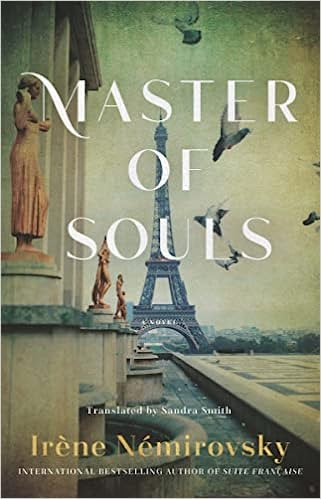
Sandra Smith

Beth Gersh-Nesic interviews award-winning translator Sandra Smith
on "Translating Irène Némirovsky"
hosted by Alliance Française Fédération - 
Tuesday, October 11, 2022 - at 7 pm. 
 on Zoom, no charge  
Please register here.


Beth S. Gersh-Nesic


Andrea Mantegna, Judith and her Maidservant, 1490s


Beth Gersh-Nesic on "Judith and Hanukah"
Wednesday, October 26 - at 10:30 am
hosted by Learning in Retirement
Temple Beth El, Stamford, CT
in person, $10 
Please register here


Otto Wegener, Marcel Proust, c. 1895


Beth Gersh-Nesic on "Proust and Art"
Tuesday, November 15, 2022 at 5 pm
hosted by the Alliance Française de Greenwich and Byram Shubert Library
Byram Shubert Library, 21 Mead Ave, Greenwich, CT
on Zoom, no charge
Please register here


Looking forward to seeing you there - 
With love and warm wishes for Fall 2022 and 5783


Beth S. Gersh-Nesic, PhD
Director and owner
New York Arts Exchange, LLC


Sunday, December 9, 2018

Judith and Hanukkah 2018: Chag haBanot, the Festival of Daughters


Chag haBanot, The Festival of Daughters, 
1  Tevet 5779/December 9, 2018

In the North African countries Algeria, Morocco, and Tunisia, Jewish women celebrate Chag haBanot, the Festival of Daughters, on the night and the day of the first full moon following the beginning of Hanukkah, usually 1 Tevet.  This occasion honors  Judith's triumph over the invasion and attempted annexation of her little village Bethulia by Nebuchadnezzar's chief general Holofernes, The story can be found in the  Apocrypha, the Book of Judith.  

Carlo Francesco Nuvolone, Judith with the Head of Holofernes, c. 1650


Typical of biblical female characters, Judith wields her power through seduction and subterfuge - bait and switch.  In this case, this widow has waited for the village elders to save the citizens from death or conquest.  Holofernes has cut off the water supply in order to pressure the village into surrender.  Inpatient and angry, Judith changes into magnificent clothes (inappropriate for one who mourns), enlists her maidservant as her chaperon and together they present themselves to the sentries guarding the encampment of Holofornes' army.  With a sack of wine and cheese in hand, Judith claims to have crucial information for the general.


Jean-Antoine-Jules Le Conte de Nouy, Judith, 1875

What harm could women do among such fierce men?  The guards lead the women to Holofernes' quarters where Judith proceeds to ply this formidable foe with plenty of cheese that delivers a mighty thirst for plenty of wine.  Thoroughly drunk as he lounges in regal style for his meal, Holofornes decides to arrange himself for Judith's pleasuring, completely unaware he facilitates Judith's scheme. Ready for sex or slumber, Judith seizes this opportunity to grab Holofernes' sword, chop off the general's head, quickly stash the severed part in her sack, and depart with her maidservant.  The assassination defeats Nebuchadnezzar's forces. From then on, Bethulia knew only peace and prosperity thanks to Judith's heroic deed.


Artemisia Gentileschi, Judith Beheading Holofernes, 1620


Here are a few customs for Chag haBanot:
  • Women gather at the synagogue, touch the Torah, and pray for the health of their daughters.
  • Women plan and participate in a feast on the eve of 1 Tevet.
  • Cheese dishes are featured for the festive meal.
  • Mothers give gifts to their daughters.
  • Bridegrooms give gifts to their brides.
  • Disagreements among women are reconciled.
  • Women of all ages dance together.
  • Women give their inheritances to the next generation.


Artemisia Gentileschi, Judith and her Maidservant, 1612-13

In Christian art, Judith personifies the Church in terms of Fortitude, Justice, Humility, and Chastity. During the Counter-Reformation, Judith's selfless action became a source of inspiration to stay faithful to the Church, 


Alessandro Botticelli, Judith and Her Maidservant, 1472

Caravaggio, Judith Slaying Holofernes, 1598-99

Cristofano Allori, Judith and the Head of Holofernes, 1613

Valentin de Boulogne, Judith Slaying Holofernes, 1626

Donatello, Judith and Holofernes, 1460

As a symbol on the Hanukkah menorah (Hanukkiyah), she parallels the courage of the Maccabees to fight against tyranny and for religious freedom.  I believe that the choice of Judith for Western European hanukkiyot seems less threatening than the figure of Judah Maccabee, whose story reminds the Jewish people of rage and rebellion. Judith in Christian and Jewish contexts signifies goodness triumphing over evil.

Italian, Anonymous, Judith on a Hanukah Menorah (Hanukkiyah), late 16th-17th century


German, Johann Adam Boller, Judith on Hannukiyan c. 1705-32, 
Jewish Museum, NY, gift of Frida Schiff Warburg

German, Johannes Valentin Schüler, Judith Hanukkiyah, Jewish Museum, Frankfurt


Happy Hanukkah to all with best wishes for Chag haBanot - tonight: the last candle
Chag Urim Sameach (Best wishes for the Festival of Lights) -
Beth New York

aka Beth S. Gersh-Nesic, Ph.D.
Director 
New York Arts Exchange


Saturday, December 20, 2014

Judith and Hanukkah


Artemisia Gentileschi, Judith Beheading Holofernes, 1620

T'was the 5th Night of Hanukkah and all through the house,
Cheese blintzes scent the kitchen
Sour cream delights the mouth.
Dairy products recall the courage of Judith
Who fed Holofernes cheese and wine
Then smote him to save the Israelites
In Bethulia, way before Antiochus IV's time.


The story of Judith of Bethulia who beheaded the Assyrian general Holofernes belongs to the Hebrew Bible's Apocrypha, right next to the chapters on the Maccabees, which tell the story of Hanukkah. We imagine that Judith's selfless act foreshadows the triumph of the Maccabees.

Here is the story of the Maccabees and Hanukkah.

Here is the story of Judith and Holofernes on Arthistory.about.com,
And here is a video about Judith and Hanukkah.

Plus - more works of art that feature Judith: 


Artemisia Gentileschi, Judith and her Maidservant, 1612-13


Alessandro Botticelli, Judith and Her Maidservant, 1472

Caravaggio, Judith Slaying Holofernes, 1598-99

Cristofano Allori, Judith and the Head of Holofernes, 1613

Valentin de Boulogne, Judith Slaying Holofernes, 1626

Donatello, Judith and Holofernes, 1460

Johann Adam Boller, Hanukkiah, c. 1705-32, 
Jewish Museum, NY, gift of Frida Schiff Warburg


Happy Hanukkah to all and to all a good 5th night,
Beth New York

aka Beth S. Gersh-Nesic, Ph.D.
Director 
New York Arts Exchange